
Stop scrolling, and let’s take a moment. Art journaling is the practice of using colors, drawings, notes, and ideas to express yourself on paper. When people ask what is art journaling, the answer is simple: it is a creative space where thoughts and emotions become visual.
Some call it a sketchbook, whereas some call it a diary. You might still wonder what it is, so this guide is here to explain the basics in a clear and easy way. Pick up your pens and brushes, choose your colors, and start exploring a creative process where every page has a purpose. So what is art journaling? Let’s find out.
What Is Art Journaling?
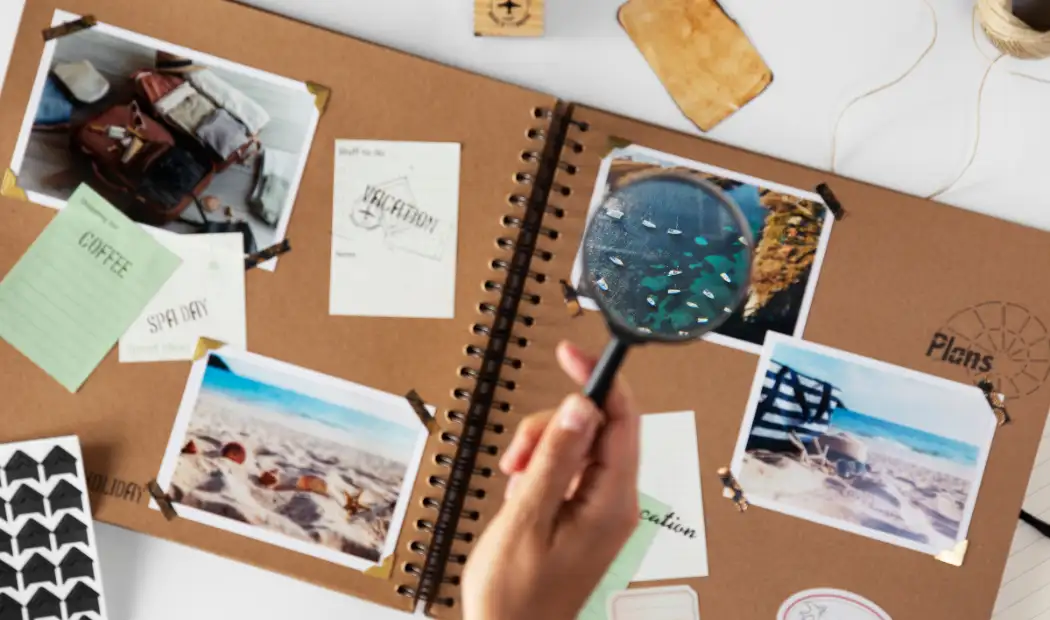
Art journaling is a creative process that combines writing, drawing, collage, and emotion inside a single book. It allows ideas and feelings to be expressed visually without rules, structure, or expectations.
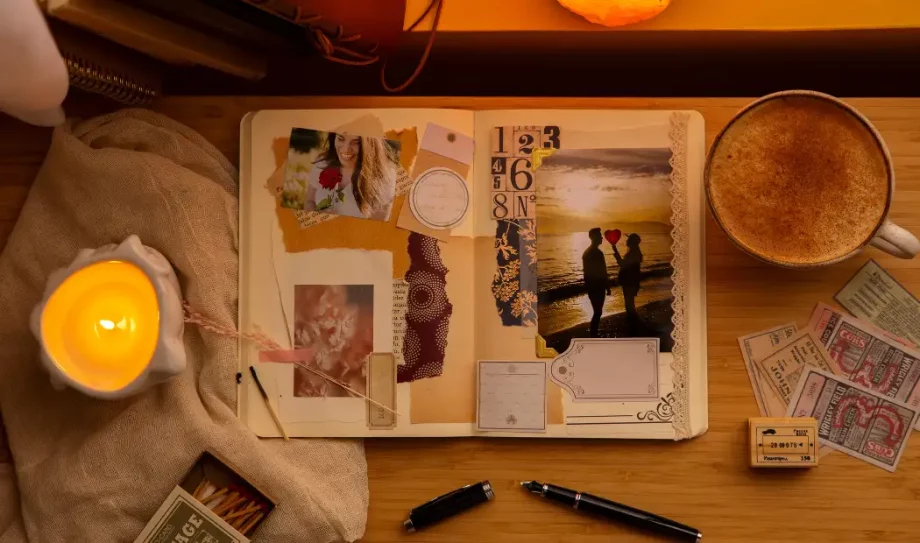
So what is an art journal? It is a personal creative space where sketches, painted layers, handwritten thoughts, magazine cutouts, and visual experiments come together. The pages do not aim for perfection. They exist to capture moments, moods, and ideas as they naturally appear. Journal art refers to the creative work created inside these pages. This includes doodles, textures, mixed media elements, and expressive marks that turn thoughts into visual form.
Why Art Journal? – Benefits
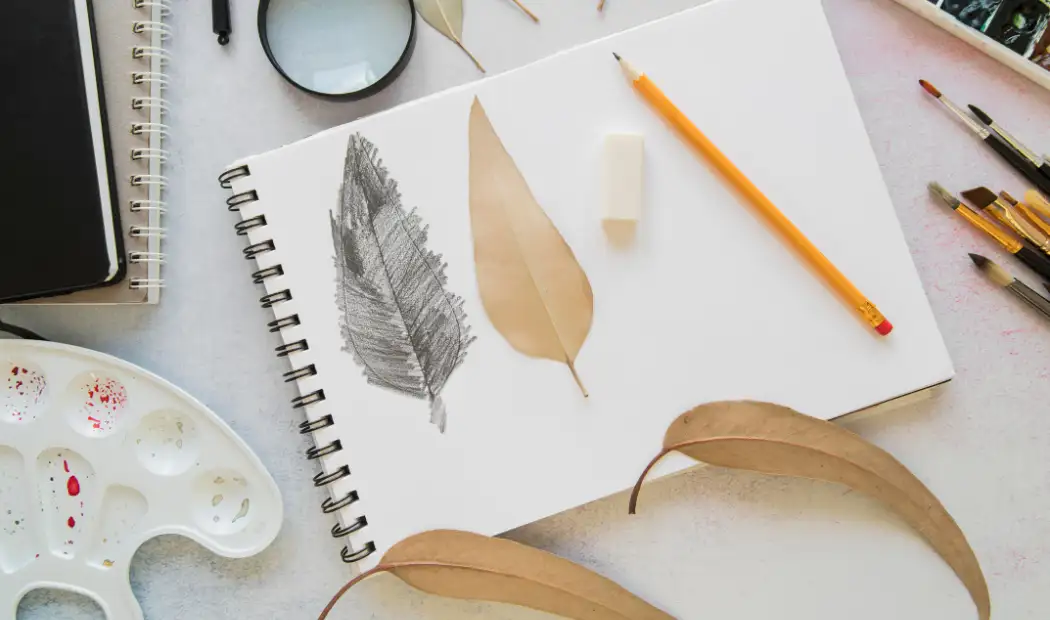
Drawing for journaling has many benefits. Let’s go through them.
1. Complete Creative Freedom: Art journaling gives you total control over your pages. You decide what goes in—words, sketches, colors, or collages. There’s no judgment, no algorithm, and no outside rules. Every page reflects your personal style and mood.
2. Therapeutic Benefits: It acts like therapy for the mind. Putting feelings onto paper helps release stress, calm racing thoughts, and process emotions. Adding colors, textures, or patterns amplifies the healing effect, making it a creative way to relax.
3. Sparks Creativity: Even mundane ideas can become artistic. A grocery list can turn into playful doodles, daily thoughts can become visual stories, and dreams can take shape on the page. Art journaling encourages experimentation and imaginative thinking.
4. Trendy and Inspiring: Art journaling has grown in popularity, especially among Gen Z. Inspired by bullet journaling and TikTok creativity, it has become a way to showcase personal expression and connect with other artists online.
5. Easily Accessible: You don’t need expensive supplies. A simple notebook, affordable stickers, and basic pens or pencils are enough. The focus is on expression, not perfection or costly materials.
6. Captures Personal Growth: Over time, your journal becomes a record of your thoughts, moods, and creativity. Revisiting old pages shows how your skills, ideas, and emotions have evolved—making it a deeply personal keepsake.
What Are the Styles of Art Journal?
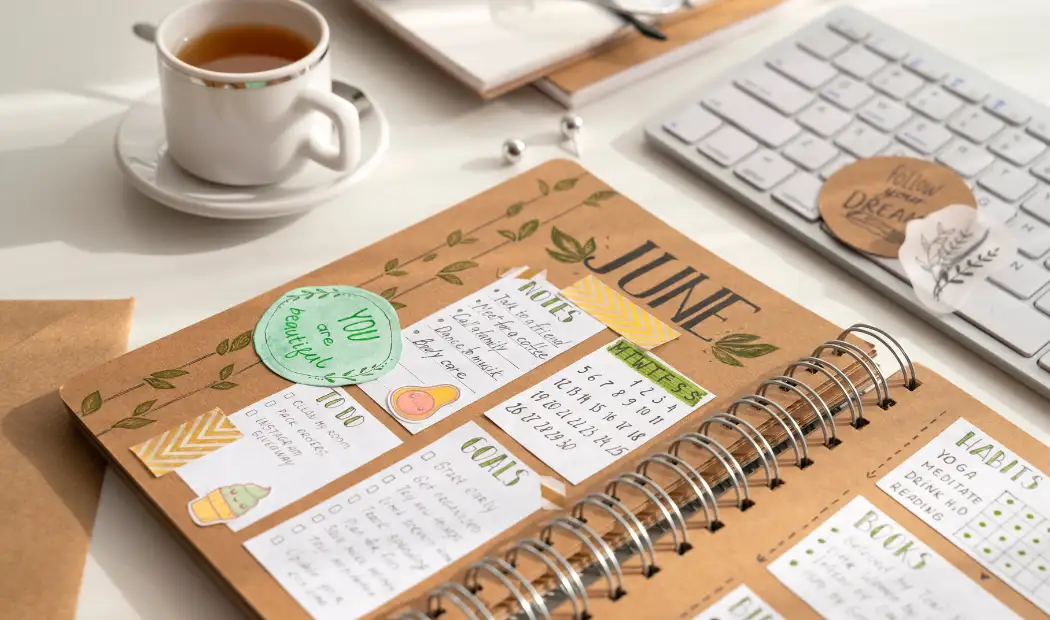
Painting journals do not follow strict rules, but they offer a wide range of creative styles. Each style reflects a different purpose, mood, or way of storytelling.
- Visual Journals: Visual journals focus primarily on imagery rather than text. These pages are filled with collages, magazine cutouts, watercolor washes, sketches, and layered designs. They often function like mood boards, capturing emotions and ideas through visuals instead of words.
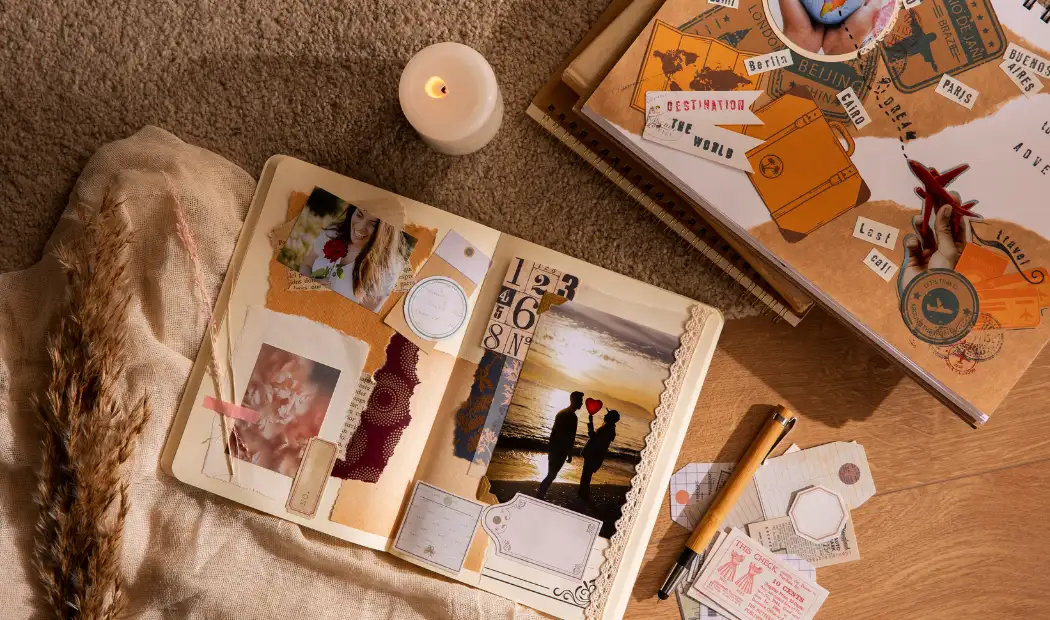
- Travel Journals: Travel journals document experiences and memories from different places. Pages often include ticket stubs, maps, handwritten notes, city sketches, and pasted photographs. This style turns trips into artistic records, preserving moments in a creative and personal way.
- Gratitude Journals: Gratitude journals center on positivity and reflection. Pages highlight small wins, daily joys, and meaningful moments through simple drawings, handwritten notes, and decorative elements like stickers. This style helps build mindfulness while maintaining a creative outlet.
- Mixed Media Journals: Mixed media journals combine multiple materials and techniques on a single page. Paint, fabric, ink, markers, and acrylics are layered together to create texture and depth. The result is expressive, experimental, and visually dynamic, where controlled chaos becomes art.
Step-by-Step Guide to Starting Art Journals
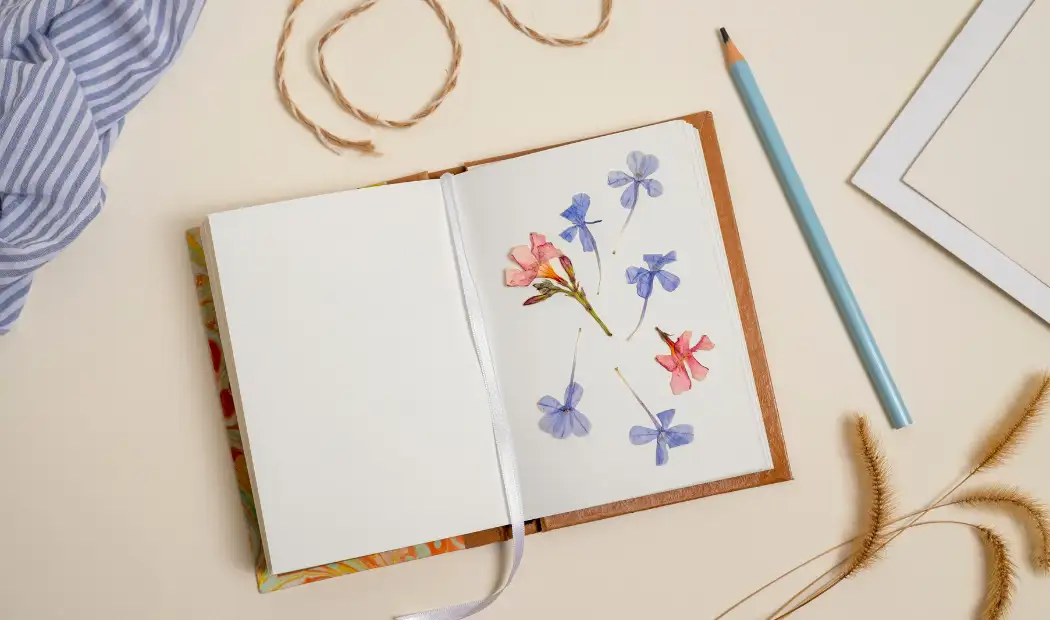
- Choose a Blank Notebook: Start with any notebook that feels comfortable. It can be thick or thin, expensive or simple. The goal is to have pages that invite creativity, not pressure.
- Gather Your Basic Tools: Collect what you already have. Pens, markers, colored pencils, paints, and stickers or washi tape all work well. You do not need professional supplies to begin.
- Decide the Mood or Theme: Before starting the page, check in with yourself. Choose a feeling or vibe such as calm, joyful, reflective, or expressive. This helps guide your colors and elements.
- Create a Background Layer: Apply color first to set the tone of the page. You can paint, scribble, or blend colors loosely. Background layers add depth and energy to your journal.
- Add Doodles or Visual Elements: Draw simple shapes, symbols, or images that match your mood. These do not need to be perfect. The focus is expression, not technical skill.
- Include Words or Writing: Write a quote, poem, short reflection, or stream of thoughts. Text adds meaning and personal context to the visuals on the page.
- Decorate the Edges: Enhance the page with stickers, washi tape, borders, or small details. These finishing touches bring balance and character to your layout.
- Sign and Date the Page: Add your name, initials, or date. This helps you claim the page as your own and turns it into a moment captured in time.
- Embrace Imperfection: Remember that the magic of art journaling is not perfection. It is raw expression, honesty, and creativity flowing freely onto the page.
Keeping Your Art Journal Alive: Art journal ideas
1. Use Simple Creative Prompts
When inspiration fades, prompts help restart the flow. Drawing your breakfast, writing about a recent dream, or listing random thoughts removes pressure and gets your hand moving. Small, everyday moments often create the most authentic pages.
2. Add Personal Memories
Pasting items like old movie tickets, receipts, or photos instantly gives meaning to a page. These elements turn your journal into a memory holder rather than just a sketchbook.
3. Express Feelings Visually
Painting the mood of the weather or scribbling a song lyric helps translate emotions into visual form. You do not need detailed drawings. Simple shapes, colors, or lines can communicate powerful feelings.
4. Experiment Without Overthinking
Collaging magazine images, sketching things you want, or creating playful scribbles keeps the process light. The goal is exploration, not perfection.
5. Break Common Myths
Many believe art journaling requires drawing skills, long hours, or polished results. None of this is true. Stick figures are valid, messy pages are honest, and even five minutes of journaling counts as progress.
6. Understand Who Art Journaling Is For
Art journaling is not limited to trained artists. Anyone willing to put pen to paper can do it. Creativity grows through practice, not permission. There are simply no limits. Your page doesn’t care if it looks like an “aesthetic painting.”
7. Mix Digital and Physical Styles
Combining digital journaling tools with physical notebooks adds flexibility. Using apps, digital sketches, or custom paint by number designs alongside traditional pages creates a modern hybrid approach.
8. Customize Your Journal
DIY covers add character before the first page is even filled. Painting covers, attaching patches, or adding textures makes the journal feel personal and inviting.
9. Work With Themes
Choosing a monthly theme helps maintain consistency. Exploring styles like Retro Visuals, bold colors, or minimal designs gives direction without restricting creativity.
10. Share and Collaborate
Sharing pages through short videos or image posts helps build creative community. Collaborating with friends by trading pages or mailing journals introduces new ideas and collective energy.
Conclusion
So, what is art journaling? Many people describe it as color therapy, while others use it as an emotional outlet that brings structure to chaotic ideas. Once you understand what journal art is and how journaling art supports self-expression, you can begin exploring the process in your own way. Pick up a notebook, choose your favorite materials, and start creating pages that transform your thoughts into something meaningful and visually unique.
Looking for the best paint by number kits? Go for Art of Paint by Number?