
Art of zoo is a refreshing and imaginative approach to creative expression that brings animals, color, and storytelling together on canvas. It moves beyond traditional painting by blending wildlife themes with artistic freedom, creating artwork that feels playful, expressive, and visually striking.
If you’re wondering what the arts of zoo are, it is a creative painting style that transforms animals into imaginative subjects through structured painting techniques. From bold tigers to elegant flamingos and surreal animal forms, each piece allows you to explore creativity without rigid artistic rules.
Art of zoo is more than a hobby. It is a calming, engaging experience that encourages focus, creativity, and personal expression. Whether you enjoy wildlife, fantasy elements, or decorative art, this style offers a unique way to connect with painting in a relaxed and enjoyable manner.
What Is Art of Zoo?
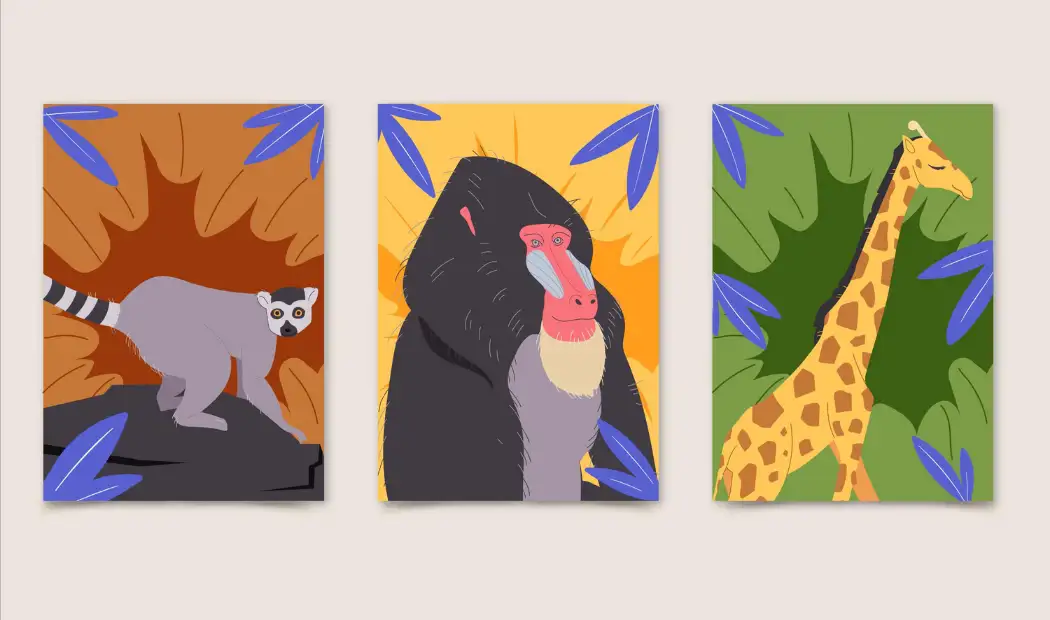
Click on the image to order your Zoo Paint by Number today!
The art of the zoo is a creative art style that blends animals with imagination, emotion, and storytelling. It goes beyond realistic wildlife art and focuses on expressive, symbolic, and visually striking representations of animals. In this style, animals may appear playful, dramatic, surreal, or deeply emotional, reflecting human ideas such as freedom, strength, curiosity, or harmony with nature.
Rather than strict realism, the art of the zoo celebrates creativity and interpretation. It allows artists and art lovers to explore the animal world through color, patterns, and artistic freedom, making each artwork personal, engaging, and visually memorable.
Zoo Painting Ideas
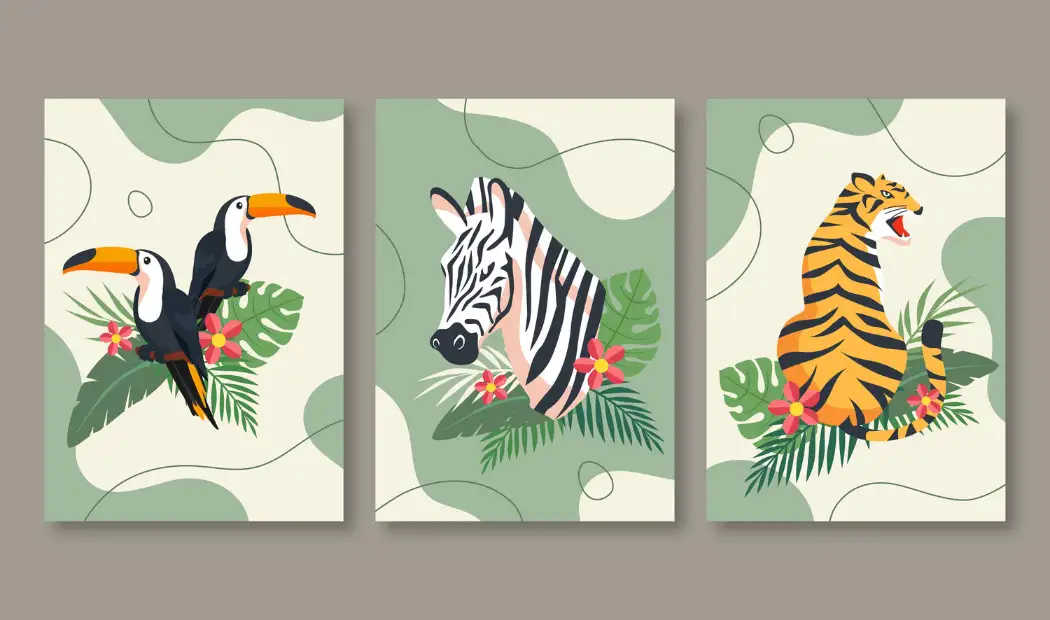
Fun animal paintings will always be in trend, so why don’t we go through different styles of them?
- Realistic Wildlife Portraits: Create detailed portraits of zoo animals like lions, elephants, giraffes, or tigers. Focus on facial expressions, eye details, and natural textures such as fur, skin, and feathers. These paintings highlight the animal’s personality and presence. They work well for artists who enjoy realism and careful observation. This style builds a strong emotional connection between the viewer and the animal.
- Animal Close-Up Studies: Instead of painting the full animal, zoom in on a specific feature like eyes, paws, beaks, or patterns. A close-up zebra stripe or an elephant’s wrinkled skin can feel powerful and intimate. This idea allows artists to explore texture, contrast, and fine detail. It also creates visually striking artwork without needing complex backgrounds.
- Zoo Animals in Natural Habitats: Paint zoo animals as if they are living freely in their natural environments. Lions in savannas, penguins on icy shores, or monkeys in dense forests add realism and storytelling. This approach blends animal painting with landscape art. It also helps viewers imagine wildlife beyond zoo enclosures.
- Vintage Zoo Illustration Style: Inspired by old scientific books and vintage encyclopedias, this style uses muted colors and clean outlines. Animals are painted with elegance and precision rather than drama. These zoo painting ideas feel timeless and educational. They work beautifully for wall art and classic décor themes.
- Abstract Zoo Animal Art: Use shapes, bold strokes, and layered colors to suggest animals rather than define them clearly. An elephant might appear through large forms, while birds emerge through motion and color. Abstract zoo paintings focus on emotion instead of accuracy. They allow freedom and personal interpretation.
- Color-Splash Animal Paintings: Start with a realistic animal outline, then add expressive color splashes around or through the body. Bright paints can represent energy, movement, or emotion. This style blends realism with modern art. It is eye-catching and popular for contemporary spaces.
- Black and White Zoo Sketches: Monochrome zoo paintings focus on light, shadow, and form. Without color, the animal’s structure and expression become the main focus. These artworks feel calm, powerful, and timeless. They are ideal for minimalist or elegant interiors.
- Zoo Animals with Floral Elements: Combine animals with flowers, leaves, or vines to create soft, balanced compositions. A tiger with tropical flowers or a deer framed by wild blooms adds symbolism and beauty. This idea represents harmony between wildlife and nature. It also appeals strongly to decorative art lovers.
- Animal Silhouette Paintings: Use animal silhouettes against colorful skies, sunsets, or textured backgrounds. The simplicity of the shape contrasts with the rich colors behind it. These zoo painting ideas are beginner-friendly yet visually strong. They focus on mood and composition rather than detail.
- Educational Zoo Art for Kids: Create friendly, clear animal paintings with simple shapes and bright colors. These ideas work well for learning spaces and children’s rooms. Each painting can focus on one animal and its basic features. This approach makes zoo art playful, approachable, and meaningful.
10 Zoo Animals That Are Best to Start With for Your Zoo Painting!
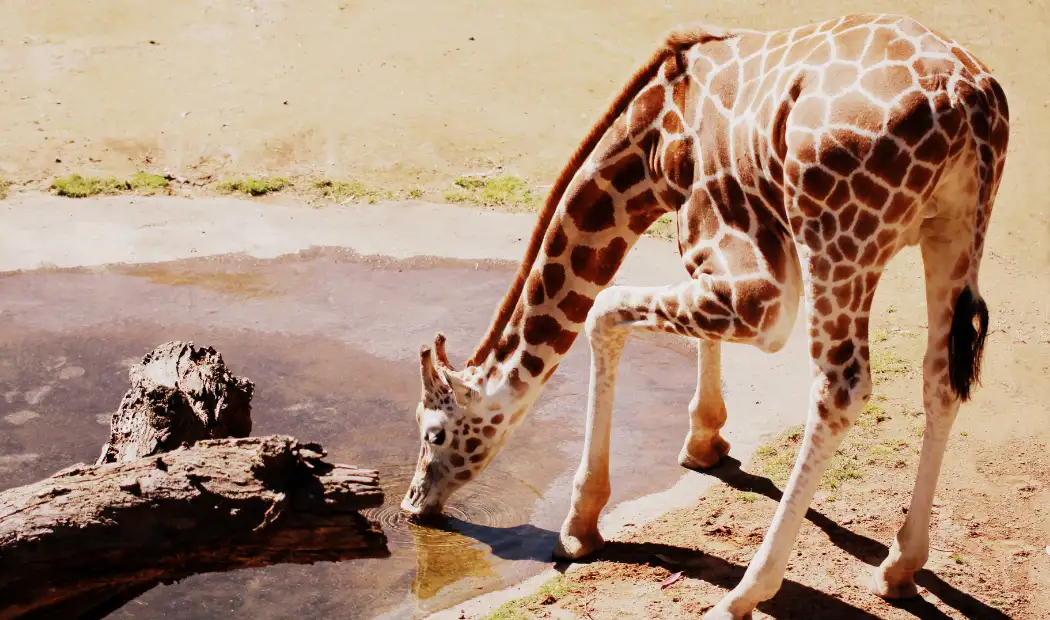
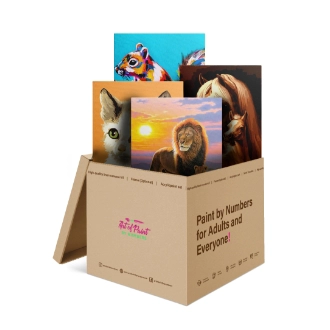
For customized zoo paint by numbers, select an image of your choice and click on the image to get your zoo paint kit.
Animal painting kits are a great way to begin. We will see ten paint by numbers animals paintings of the zoo.
1. Lion Painting
The lion is a classic choice for zoo wall art because of its strong form and expressive face. Its mane allows creative use of colors, textures, and shading. Beginners can experiment with warm tones while keeping the structure simple. A lion painting instantly feels powerful and complete.
2. Elephant Painting
Elephants are perfect for beginners due to their large shapes and calm presence. Their bodies are easy to outline, and the skin texture can be painted loosely without strict detail. Elephant zoo paintings often look beautiful even with minimal color palettes. They also symbolize wisdom and strength.
3. Giraffe Painting
The giraffe’s long neck and natural patterns make it fun and relaxing to paint. Its spots allow easy color blocking, which is great for beginners. You do not need perfect realism for it to look good. Giraffe paintings feel light, elegant, and visually balanced.
4. Zebra Painting
Zebras are excellent for practicing contrast and pattern work. The black-and-white stripes guide the painting process naturally. Even simple brushwork creates a striking effect. Zebra zoo paintings look modern and artistic without needing complex techniques.
5. Tiger Painting
Tigers are ideal if you want something bold but manageable. Their orange base and dark stripes give clear direction while painting. You can keep details minimal and still achieve a strong visual impact. Tiger zoo paintings feel energetic and expressive.
6. Monkey Painting
Monkeys are fun to paint because of their playful expressions and flexible poses. You can keep facial details simple and still capture personality. Earthy tones work well, making color choices easier. Monkey zoo paintings often feel lively and joyful.
7. Bear Painting
Bears are a versatile subject for zoo painting, offering opportunities to experiment with fur textures, shading, and natural poses. From cuddly cubs to imposing grizzlies, they let you practice depth and detail in your work. Bears also allow creative backgrounds, like forests, mountains, or rivers, making your painting dynamic and engaging.
8. Deer Painting
Deer are elegant and graceful, perfect for practicing fine lines and gentle color gradients. Their antlers provide an extra challenge for detail work, while their serene posture conveys calm and natural beauty. Incorporating forests, meadows, or twilight settings adds atmosphere and makes your zoo painting visually compelling.
9. Gorilla Painting / Chimpanzee Painting
Primates are expressive and full of character, ideal for capturing emotion in your zoo painting. Their detailed faces, hands, and postures offer a study in anatomy and personality. You can show playful, curious, or protective behaviors, making the scene lively and realistic while honing your observation skills.
10. Koala Painting
Koalas are adorable and approachable subjects for beginner and intermediate painters. Their soft fur, rounded shapes, and calm poses make them great for practicing texture and shading. Adding eucalyptus leaves or branches provides context and allows for a natural, vibrant zoo painting composition.
Benefits Of Drawing Zoo Animals
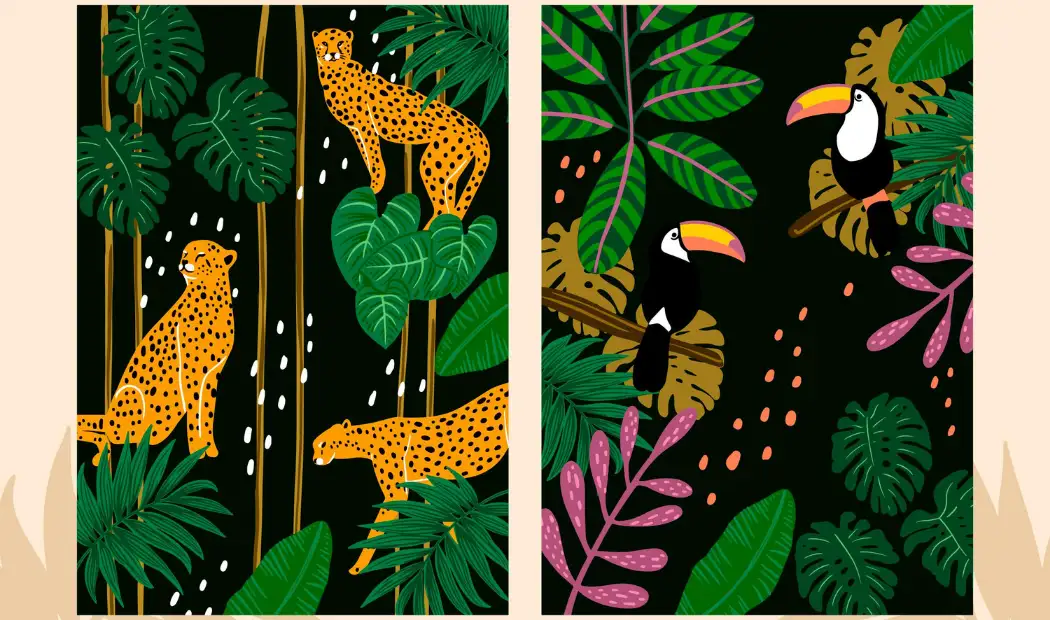
Get your zoo paint by number kit!
- Master Intricate Animal Patterns: Zoo animals like zebras, leopards, and giraffes feature distinct stripes, spots, and textures that are rarely found in typical subjects. Observing and replicating these patterns sharpens attention to detail and strengthens visual memory. Each unique design encourages artists to notice subtle differences, making their drawings more realistic and engaging.
- Study Unique Animal Anatomy: Every zoo animal has a distinct body structure—from elephants’ trunks to monkeys’ limbs. Drawing them improves understanding of movement, posture, and proportion in a way that ordinary objects cannot. Practicing these forms also enhances figure drawing skills and allows for more dynamic, lifelike artwork.
- Capture Animal Expressions And Stories: Animals at the zoo show playful, curious, and expressive behaviors. Drawing these moments transforms your artwork into a small story, helping both kids and adults develop storytelling skills visually. It trains you to convey emotion and personality, adding depth and charm that static subjects cannot achieve.
- Experiment With Color And Texture In Nature: Zoo animals showcase vivid colors and textures—from the vibrant feathers of birds to the rough scales of reptiles. Replicating these elements teaches shading, blending, and detailing in ways inanimate objects cannot. This hands-on practice elevates your art, making it more lively, realistic, and visually striking.
- Develop Patience Through Complex Subjects: Drawing detailed animals like tigers, elephants, or flamingos requires focus and patience. Tackling these intricate forms encourages careful observation and step-by-step problem-solving, which benefits both kids and adults. This patience carries over to other challenging projects, improving concentration and artistic discipline.
- Build Emotional Connection With Wildlife: Zoo animals display moods, interactions, and unique personalities. Drawing them encourages empathy and a deeper connection with living creatures, which static subjects rarely offer. Observing these subtle behaviors improves expressive art skills and adds authenticity to every drawing.
- Achieve Satisfaction From Challenging Creations: Completing a realistic giraffe, penguin, or lion provides a rewarding sense of accomplishment. Zoo animals are challenging yet highly fulfilling subjects that boost confidence and inspire continued artistic growth. Each finished piece demonstrates skill, patience, and attention to detail—qualities that enhance all future artwork.
Wrap-Up!
The art of zoo is more than an artistic trend. It represents freedom of expression, creative exploration, and a fresh way to connect with animal-inspired art. By combining imagination with structure, it allows artists to enjoy the process without pressure or limitations.
As interest in creative hobbies continues to grow, the art of the zoo stands out for its versatility and appeal. It invites people to slow down, focus, and create meaningful artwork that feels personal and expressive. Each piece becomes a reflection of creativity rather than perfection.
Exploring the art of zoo means embracing imagination, appreciating animals through art, and enjoying a creative experience that is both calming and rewarding. It is a timeless concept that continues to inspire artistic expression in modern spaces.
Looking for the best paint by number kits? Explore Art of Paint by Number?
-
Sale!$19 – $59
Vintage flower painting
-
Sale!$19 – $59
The starry night painting
-
Sale!$19 – $59
Abstract painting of faces